Posted on

Ready for Ribs?

Few things match a platter of perfectly smoked ribs slathered in a sweet, spicy, and tangy barbecue sauce.

Before you light the fire, get to know a bit about pork and beef ribs.

Pork ribs come in two main types: Baby Back and Spareribs.

Baby Back Ribs are cut from the upper part of the pig’s rib cage, resulting in shorter, curved ribs and are smaller in length, with a shorter cook time. They have a milder flavor profile, making them more tender and perfect for soaking up the BBQ sauce. Pork Baby Backs are also the most common cut found at grocery stores.

Pork spareribs

Try It: 5 Ways to Cook Ribs from Food & Wine.

Pork Spareribs are larger, meatier, and fattier, giving them a richer flavor, and have more connective tissue, which makes them ideal for slow smoking. They are cut from the lower part of the pig’s rib cage, resulting in longer, flat ribs.

Popular with BBQ competition teams, Pork Spareribs are used to make rib tips and are a cheaper option than beef ribs.

Bon Appétit: How to Buy the Right Kind of Pork Ribs

What about beef?

Beef Back Ribs. Photo credit: Beef. It’s What’s for Dinner

Beef ribs offer a rich, beefy flavor and are known for their substantial size and meatiness, though they may require a longer cooking time to become tender.

There are primarily two types of beef ribs: Plate Ribs and Back Ribs. Beef Plate Ribs are known for their thick layer of meat and rich marbling, often referred to as “dino ribs” due to their larger size. These meaty ribs are cut from the beef plate, located below the ribeye.

Beef Back Ribs are cut from the rib section, closer to the spine. Beef Back Ribs have less meat than plate ribs, as much of the beef remains with the ribeye roast. However, they still offer good flavor and can be a lot less expensive.

Learn more about beef cut collections from the Cattlemen’s Beef Board and National Cattlemen’s Beef Association.

Quick Tips for Smoking

Now that you know a bit about the cuts, it’s time to get smoking. Start with a dry rub or marinade for flavor, and smoke at around 225°F (107°C) for 4-6 hours, depending on rib size. Make sure to maintain a steady temperature and smoker conditions.

TIP: The “3-2-1” method works well — especially for spareribs. This involves smoking the ribs uncovered for three hours, then wrapping them in foil for two hours, and finally unwrapping them for the last hour. For baby back ribs, some reduce the initial smoking time to two hours. 

Try It: Smokin BrothersSmokin Baby Back Ribs Recipe 

Add BBQ sauce about one hour from the end and consider the “bend test” to check for doneness (ribs should bend without breaking). Finally, use a meat thermometer to target an internal temperature of 190-195°F for best quality.

Top Off Your Ribs with Curley’s Famous Barbecue Sauce

Curley’s Famous Hickory Barbecue Sauce pairs well with beef and pork ribs. Sweet and tangy with apple cider vinegar, natural sugar, celery seed, sweet spices, and just a hint of hickory smoke. These classics are kosher, all-natural, gluten-free, and contain no high-fructose corn syrup.

Curley’s Famous is available at Walmart Grocery, Dillon’s, Made in KC, and other fine retailers in the Midwest. Six packs are available from the Curley’s Famous online store.
Whether it’s beef or pork, the backyard or a tailgate, you can’t miss with ribs smoked to perfection.

Posted on

HOT Summer BBQ Trends

BBQ fanatics, get ready for serious grilling! Here are some of the newest ideas to spice up your summer.

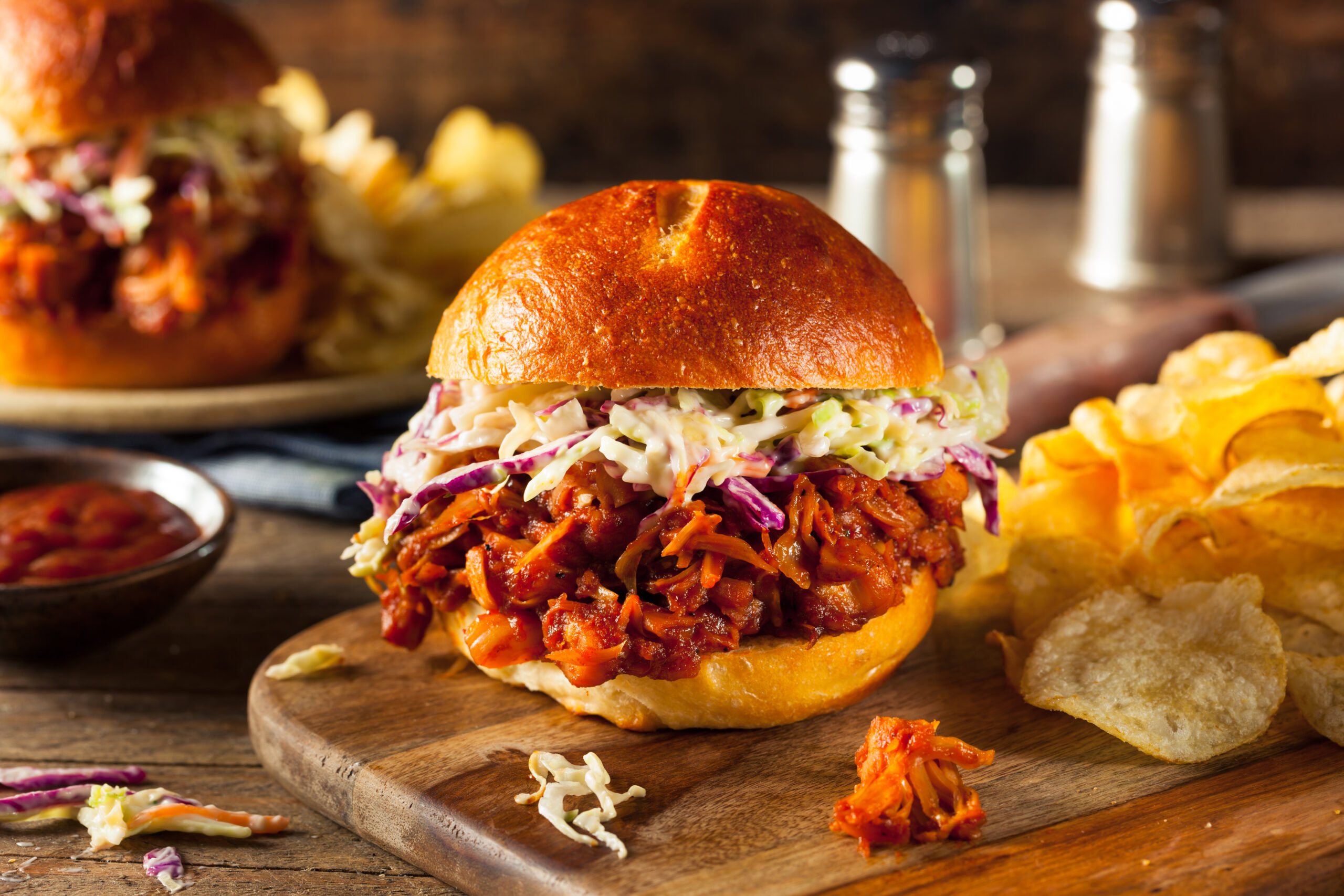
Homemade Vegan Pulled Jackfruit BBQ Sandwich is one of the new BBQ trends for summer.

Plant-Based BBQ

The rise of plant-based diets continues to influence BBQ trends. Grilled jackfruit, cauliflower steaks, and plant-based sausages are among the veggie-centric dishes gaining popularity. Additionally, flavorful marinades like our Aussie Sauce and smoky glazes can enhance these dishes, appealing to vegetarians and meat lovers.

And don’t forget the dry rubs! Plowboy’s Yardbird, Joe’s Kansas City Big Meat Seasoning, and Meat Mitch Naked are just a few of our favorite rubs that spice up plant-based and meat dishes.

Bison, Boar, and More

Q39 Classic Barbeque Sauce can complement the newest BBQ trendsWhile low and slow cooking is a BBQ staple, pitmasters are grilling unconventional meats like bison, wild boar, and goat. Sauces that complement their intense flavors and distinctive textures are often preferred. Try an apple cider-based barbecue like Q39 Classic, Dijon mustard sauces, including Meat Mitch Yellow Brick Road, Worcestershire sauces, Asian steak sauces, and even Pesto. 
Try It: Traeger Smoked Pulled Goat Leg Recipe.

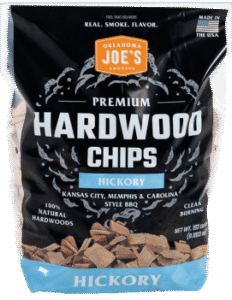
Grill unique cuts using wood chips or fruit woods to add an extra layer of smokiness. Wood smoking gives meat a distinctive smoky flavor, enhances its color, and can act as a natural preservative. The type of wood used greatly influences the flavor, from sweet to bold. This slow, indirect cooking method also helps tenderize the meat.

Oklahoma Joe's Hickory Hardwood Chips can be used for traditional BBQ fare or the newest BBQ trends.

Learn more: Best Wood Chips for Smoking Meats.

Global Flavors

BBQ trends include global flavors.BBQ trends are embracing a world of flavors. Expect to see more marinades, rubs, and sauces that draw inspiration from around the globe. Think Korean BBQ with spicy gochujang marinades, Caribbean jerk chicken, or Mediterranean grilled vegetables drizzled with za’atar-infused olive oil. These unique flavors add a fresh twist to classic grilling.

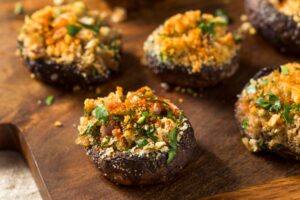
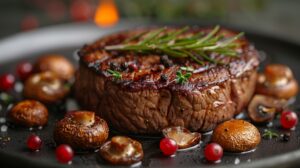
Our favorites include Bachan’s Japanese Barbecue Sauces and  Meat Mitch Miso Naughty Japanese Whomp! Sauce.

Grilling on the Go: There’s an App for That

Apps that help you cook are adding to this year's BBQ trends.
Traeger’s MEATER Wireless Smart Meat Thermometer. Photo credit: Traeger Grills

Need to run some errands or want to go for a walk, but you’ve got the smoker going? New Smart Grills with temperature control, timers, and app integration help you consistently achieve perfectly cooked meat.

Traeger, Smokin Brothers, King Kooker, Yoder,  and Weber are just a few grill manufacturers offering an app to simplify the cooking process.

Beyond Beans: New Side Dishes

New BBQ trends include sides like loaded baked potatoes/

Gone are the days of simple coleslaw and baked beans. This summer, BBQ side dishes are getting a gourmet makeover.

Loaded grilled potatoes, vibrant salads featuring seasonal produce, and smoked dips like creamy avocado or spicy queso will wow guests. These creative sides complement main dishes and add a fun twist to classic BBQ fare.

RECIPE: Try this yummy Twice-Baked Loaded BBQ Potatoes recipe!

The Finishing Touch

Just as side dishes are transitioning beyond coleslaw and beans, garnishes on barbecue cuisine add to the visual appeal of dishes, complement the flavors, and create a more memorable plate. Fresh herbs, edible flowers, and unexpected toppings like pickled vegetables or flavored oils add brightness to your BBQ dishes and elevate the overall dining experience.
Learn more: How to Garnish Dishes.

Embrace new BBQ techniques to elevate your cooking skills and maximize your outdoor grilling enjoyment! Discover healthier options and faster methods to create your very own BBQ trends this summer.

Posted on

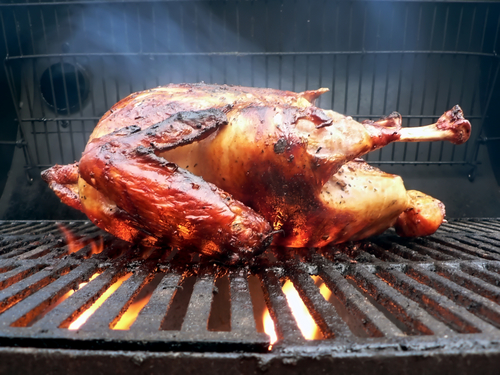
Was the First Thanksgiving Turkey Smoked? I think so!

Smoked Thanksgiving Turkey

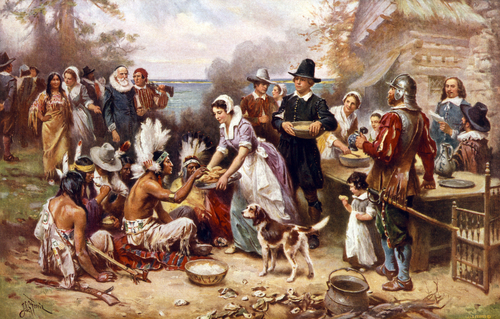
With Thanksgiving just a few days away, it got me thinking about how our traditions have evolved since the first Thanksgiving feast in 1621. Given the fact I make barbecue sauce for a living, I immediately wondered why most people roast their turkey in the oven.

Doesn’t it make more sense that the pilgrims and their new friends, the Wampanoag Indians, would have smoked a turkey???

In my search to learn more, I ran across a few facts on a website for teachers called Kids Konnect. Here are a few I think are worth sharing:

  • By the fall of 1621, only half of the pilgrims, who had sailed on the Mayflower, survived. The survivors, thankful to be alive, decided to prepare a thanksgiving feast.
  • The Pilgrim leader, Governor William Bradford, had organized the first Thanksgiving feast in the year 1621, in Massachusetts.
  • The first Thanksgiving feast was held in the presence of around ninety Wampanoag Indians and the Wampanoag chief, Massasoit, was also invited.
  • The first Thanksgiving celebration lasted three days. The drink that the Puritans brought with them on the Mayflower was beer.
smoked Thanksgiving turkey
I think the first Thanksgiving turkey was smoked, not baked.

Once I read they had beer with their meal, I feel certain that the first turkey was smoked. I am also confident that it would have been even better slathered in barbecue sauce.

If you decide to break from tradition and smoke your Thanksgiving bird, here’s a recipe from Bobby Flay and The Food Network. Don’t forget the barbecue sauce!

Happy Thanksgiving from Garden Complements! So much to be grateful for including having my family home to gather around the table.

Posted on

Contract Packing or Private Label? What’s the Difference?

We get that question a lot. While they are seemingly very similar processes, here's a quick primer on the difference.

Contract Packing is the process that occurs when a customer owns an original recipe and wants it commercially produced. For example, a restaurant operator may bottle a special sauce or dressing for retail sale so customers can enjoy it at home.

contract pack
Contract Packing happens when the customer brings the recipe to us to produce. Private Labeling is when we help the customer develop the recipe and then bottle it.

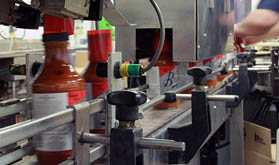
Before the customer shares the proprietary recipe with us, a Non-Disclosure Agreement is signed. Then, we translate it into a precise formulation for production. Once the formula’s taste and consistency meet with the customer’s satisfaction, we process and pack it for end-use.

Private Labeling happens when a customer turns to us for help developing and bottling a product under the customer’s own brand name. In other words, the the customer is looking to us to help them develop a tasty product that can be labeled as as their very own brand.

We offer a full line of signature brands that can be private-labeled “as-is” or used as the base for a custom sauce, condiment or marinade including:

packaging

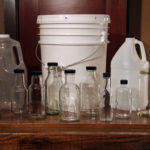
The same packaging options exist for both Contract Packing and Private Label. These include bottling for retail sales; and plastic jugs and drums for restaurants, foodservice, institutional use.

If you have your own recipe you’d like to package or if you’d like help developing a signature sauce, dressing or marinade, we can help. Give us a call or send us a note.